Why Is Medical Cannabis Legal but Still Hard to Access? A Footballer’s Take on Pain, Stigma, and Treatment Pathways
After 11 years in the trenches of semi-pro football—from muddy pitches to cramped changing rooms—I’ve seen plenty of lads nurse injuries with a shrug, stubbornly pushing on while pain simmered beneath the surface. Years later, many face persistent pain, early onset osteoarthritis, and frustration with a system that feels like it’s closing doors rather than opening them.
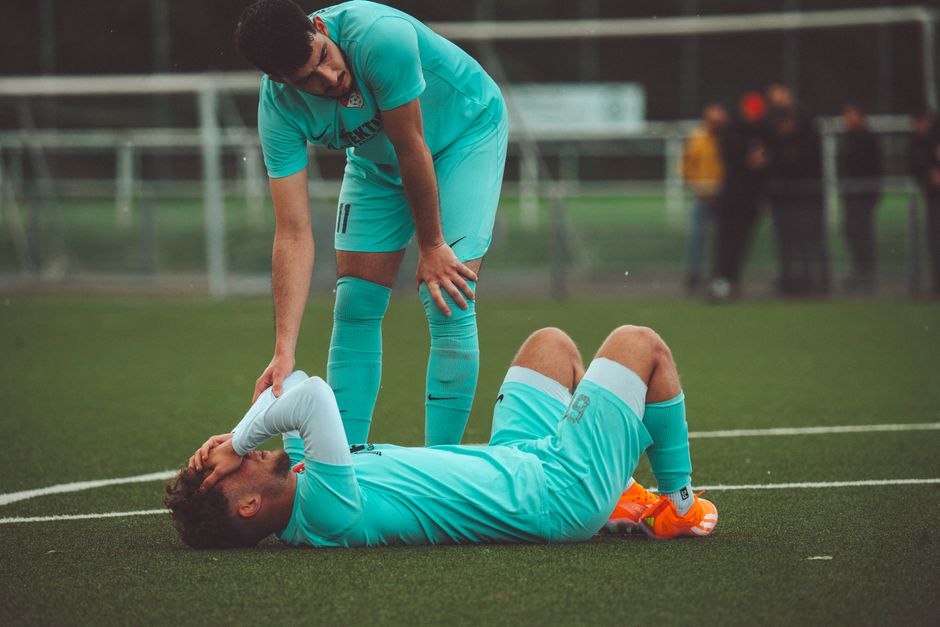
One modern option cropping up in the headlines and conversations is medical cannabis. It’s legal in the UK, but if you or a mate want to get hold of it through official channels, you’ll quickly discover it’s not as straightforward as the word “legal” might suggest.
I'll be honest with you: let’s break down the disconnect between legality and availability, explore why football culture hasn’t helped our understanding of pain, and consider how approaches like active rehab can work alongside emerging treatments.
Football Culture and the Stigma Around Reporting Pain
“Just rest it” is the worst advice I’ve heard. Every physio or coach who’s said it should hear my rant—and rightly so. The reality for footballers, especially in the lower leagues, is that openly reporting pain too often risks being seen as weak, soft, or even “not fully committed”.
This stigma isn’t just toxic, it’s counterproductive. Players push on through injuries, ignoring nagging aches that later develop into something nasty like persistent pain or early arthritic changes.
- Bragging about playing injured: Seen it, not impressed.
- Coaches punishing pain reports: A recipe for hidden suffering.
- Players self-medicating or staying silent: Pain management takes a back seat.
All this culture delays treatment, masks progressive damage, and contributes to long-term problems.
Long-Term Outcomes: Osteoarthritis and Persistent Pain
From years of cumulative loading—training on poorly recovered injuries, playing through bruised knees, twisted ankles, and inflamed tendons—the earliest signs of osteoarthritis (OA) become visible. It’s a real problem in football retirees, even in their 30s and 40s.
Persistent pain is no longer just a momentary aching—it’s a complex symptom with biological and psychological layers:
- Imperfect healing: Tissues rarely bounce back to 100% pre-injury status, especially if rehab wasn’t ideal.
- Cumulative loading: Repetitive stress without proper recovery adds damage over time.
- Central sensitisation: The nervous system becomes more sensitive, amplifying pain even after tissue healing.
It’s no wonder then, pain doesn’t always respond well to “just rest” or even some standard painkillers.

Medical Cannabis: Legality vs Availability in the UK
Medical cannabis has been legal for prescription in the UK since November 2018. Yet, the medical cannabis rescheduled 2018 reality is strikingly different from the straightforward legality.
NHS Prescribing Limits
The NHS sets a very high bar for medical cannabis prescriptions, reserving it for a handful of severe cases like specific epilepsy syndromes or terminal illnesses:
- Limited GP awareness and willingness to prescribe
- Tight clinical guidelines focusing on last-resort scenarios
- Concern over side effects, evidence base, and medico-legal issues
For most people with persistent pain from musculoskeletal (MSK) conditions like post-football injuries or early arthritic changes, it’s practically off-limits on the NHS. This highlights the gap between legal prescription rights and actual clinical availability.
Private Clinic Access: The Alternative Pathway
Because of NHS prescribing restrictions, many turn to private clinics that specialise in medical cannabis prescriptions. Through these pathways:
- Patients undergo thorough assessments, including pain history and previous treatments
- Clinicians consider cannabis as part of a broader pain management plan
- Prescription and product selection happen with patient input
- Ongoing monitoring to adjust dosing and evaluate effectiveness
The British UK Anti-Doping (UKAD) website provides detailed guidance on how medical cannabis fits into regulated sports. For active footballers in particular, it’s crucial to understand:
Aspect Key Information Legal Status Medical cannabis legal under prescription since 2018 Anti-Doping Status THC-containing products prohibited in competition; CBD allowed Reporting & Compliance Players must declare usage and follow TUE (Therapeutic Use Exemption) processesPrivate clinics are often better equipped to navigate these subtleties and manage expectations.
Active Rehab: Moving Beyond Medication
No treatment exists in isolation. Medical cannabis—if appropriate—can be a helpful addition, but without addressing the root causes of pain and dysfunction, relief won’t last.
Graded Exercise and Strengthening
Key elements in rehab that every footballer and physio assistant like myself swear by include:
- Graded activity: Slowly increasing load and movement, avoiding flare-ups.
- Strengthening: Target muscles around injured joints to enhance support.
- Mobility and flexibility: Keeping tissues supple to reduce strain.
- Patient education: Understanding pain mechanisms reduces fear and avoids catastrophising.
This approach addresses the imperfect healing and cumulative loading issues by promoting tissue resilience and improved function, ultimately modulating the nervous system’s sensitivity.
Why “Just Rest” Isn’t the Answer
Resting a dodgy knee indefinitely doesn’t solve the problem—it might even worsen it by causing muscle weakness and joint stiffness. Active rehab empowers you to rebuild, improve, and hopefully limit progression to chronic pain states.
So, What Changed in the Last Six Weeks? Ask Yourself
This question crystallises my biggest gripe with vague advice. If your knee, ankle, or back is hurting worse than it was six weeks ago, something shifted:
- Did training intensity increase?
- Was there a new injury or twist?
- Has your pain changed in type or location?
- Have you tried new treatments or medications?
Understanding these changes helps clinicians figure out the best pathway forward—whether that’s exploring private clinic routes for medical cannabis, modifying rehab programs, or addressing inflammation and load management.
Key Takeaways for Players and Fans with Dodgy Knees and Drawers Full of Old Strappings
- Medical cannabis is legal but not widely available on the NHS for musculoskeletal pain. Private clinic access is the main realistic way to get a prescription.
- Football culture’s stigma around pain reporting delays effective treatment and worsens long-term outcomes.
- Persistent pain from football injuries involves layered mechanisms: imperfect tissue healing, cumulative load damage, and nervous system sensitisation.
- Active rehab with graded exercise and strengthening remains the cornerstone of managing chronic MSK pain.
- Ask yourself “what changed in the last six weeks?” to pinpoint triggers and guide management.
Resources
- UK Anti-Doping Website Guidance on Medical Cannabis
- Private Clinic Pathways for Medical Cannabis in the UK
Remember, while medical cannabis might be a promising option for some, it’s not a magic bullet—and certainly not a reason to skip rehab. The best results come from combining smart clinical advice, patient empowerment, and honest conversations about pain.
For anyone grinding through chronic footie-related aches, keep asking the right questions, seek out practical help, and don’t buy into the “just rest it” nonsense.
```