Which Complementary Therapy Is Best for Stress When I Can’t Switch My Brain Off?
Feeling trapped in a loop of racing thoughts, unable to switch your brain off at the end of the day? You’re definitely not alone. Stress in today’s fast-paced world often feels like a persistent background noise — a hum you can't quite silence. While modern medicine offers effective treatments like medication and counseling, many people are turning towards complementary therapies to ease stress without relying solely on medications.
In this article, we’ll explore holistic, non-medication strategies that blend well with conventional healthcare, helping you find the best complementary therapy to calm your busy mind. We’ll talk about popular options like hypnotherapy for stress, reflexology relaxation, and aromatherapy calming.
Before we dive in, if you prefer listening over reading, click the “Listen to this article” feature at the top of the page to have this post read aloud.
Understanding What a First Therapy Session Is Like
If you’re new to complementary therapies, it might help to know what to expect in your first session. Much like starting a new book, the first page sets the tone and helps you decide if you want to keep reading. First therapy sessions serve a similar purpose: setting a foundation of trust, understanding your specific stress triggers, and explaining what the therapy involves.
- Initial Discussion: You’ll be asked questions about your stress levels, lifestyle, medical history, and any treatments you’re currently following.
- Explanation of Approach: The practitioner will describe their method and how it can help your mind and body unwind.
- Comfort and Consent: It’s common to feel nervous, but your therapist or practitioner will check in regularly to ensure you’re comfortable.
- First Experience: The session will often be lighter and exploratory, aimed at giving you a sense of the therapy’s pace and style.
Think of this like dipping your toes in the water rather than a full swim — it’s about feeling out the process and seeing if it suits your needs.
Why Complementary Therapies Make Sense Alongside Modern Medicine
I often see complementary therapies for pain relief readers wondering if trying complementary therapies means they have to ditch their doctor or medication. The answer is a firm no.
Complementary therapies are just that — complementary. They work alongside modern medicine, not in opposition to it. They focus on improving holistic wellbeing by addressing stress, relaxation, and pain naturally, which can sometimes reduce the need for medications or simply add an extra layer of support.
Many wellness businesses are expanding their service menus to include therapy add-ons like aromatherapy during massages or reflexology sessions combined with acupuncture, letting you customize your experience to suit your stress relief needs. These add-ons can enhance standalone sessions or be enjoyed separately.
Exploring the Best Complementary Therapies for Switching Off Your Brain
Let’s get down to the options. What kind of therapy might actually help when your thoughts feel like a TV stuck on fast-forward?
Therapy How It Works Key Benefits for Stress What a First Session Feels Like Good For Hypnotherapy for Stress Guided relaxation and focused attention to access subconscious calm. Deep mental relaxation, retrains thought patterns, reduces anxiety. Quiet voice guides you into a relaxed, almost daydream-like state where your busy mind slows down. Those who can engage with guided imagery, want to retrain mental habits. Reflexology Relaxation Pressure applied to specific points on feet or hands thought to map to organs. Physical relaxation, improved circulation, releases tension. Feels like a gentle foot massage but focused; many find it deeply soothing and grounding. People who benefit from touch, want physical and mental release together. Aromatherapy Calming Using essential oils inhaled or applied topically to create calming effects. Enhances mood, reduces cortisol levels, creates sensory relaxation. Breathing in calming scents like lavender while receiving a massage or sitting quietly. Anyone sensitive to smells or wanting an easy add-on to other therapies.Hypnotherapy for Stress: Quieting the Mental Noise
Hypnotherapy works by guiding you into a state similar to being totally absorbed by a book or film — your mind focuses closely yet remains relaxed. In this state, your busy, critical mind takes a back seat and suggestions aimed at reducing stress and anxiety can be more easily accepted by your subconscious. The technique can help in rewiring the way your brain reacts to stressful triggers, making it possible to switch off more quickly after sessions.
Clients often describe their first sessions as pleasantly calming, like floating in and out of a light trance. If you’re skeptical, that’s okay — hypnotherapy is not about “mind control” or magic, but rather guided relaxation and positive reinforcement.
Reflexology Relaxation: Stress Relief Through the Feet
Anyone who’s ever been captivated by a foot massage knows how effective touch can be at calming the whole body. Reflexology takes this idea further by stimulating reflex points mapped to different organs and systems in the body.
Sessions typically last 30-60 minutes. The practitioner applies steady, gentle pressure to your feet (or sometimes hands), and many clients find their stress and muscle tension melt away through these focused touches.
The experience is often described as grounding, bringing you back to your body in a way words cannot. This can be especially helpful when your brain races so much it feels like it’s running on empty.
Aromatherapy Calming: Using Scents to Soften Stress
Aromatherapy involves inhaling essential oils extracted from plants. Lavender, chamomile, and frankincense are some of the favorites for stress relief. These scents can activate parts of the brain associated with relaxation and mood regulation.
You might experience aromatherapy as a standalone session (perhaps inhaling oils during meditation) or as an add-on during another therapy, like massage, acupuncture, or reflexology. It’s a gentle way to invite calm without any pills or needles.
Many readers would appreciate knowing this can be as simple as lighting a diffuser at home — an accessible first step if you’re exploring complementary therapies.
Should You Choose Therapy Add-Ons or Standalone Sessions?
Wellness businesses today are smartly expanding their menus to offer therapy add-ons — quick enhancements such as adding aromatherapy to a massage, or including guided breathing exercises during reflexology. These options allow you to complement your main treatment and customize your relaxation experience without committing to a full separate session.
That said, standalone sessions allow for deeper focus on the therapy itself. For example, a full 60-minute hypnotherapy session is often needed to enter the mental state necessary for long-term benefit. Reflexology sessions can be standalone or paired with a pedicure or massage. Aromatherapy can be either, depending on your preference.
Think of add-ons like seasoning on a meal — they enhance the experience, but the main dish is the therapy session. Which you choose depends on:
- Your goals: Are you wanting a quick stress reset or deep mental rewiring?
- Your time availability: Standalone sessions require a larger time investment.
- Your budget: Therapy add-ons are often more affordable.
- Your comfort level: Trying an add-on first can ease you into a new experience.
Tracking Your Progress: The Role of Digital Tools Like Google Analytics and Cookie Preferences
Many wellness websites now include tools like Google Analytics to better understand visitor preferences and improve content offerings. When you visit therapy or wellness sites, you might encounter cookie preference pop-ups that let you control what data you share. These tools are helpful because therapists and business owners can see https://bizzmarkblog.com/hypnotherapy-vs-meditation-are-they-basically-the-same-thing/ which services people are interested in most, allowing them to expand menus with therapies customers really want.

Of course, your privacy and comfort come first — always adjust cookie settings according to your own preferences.
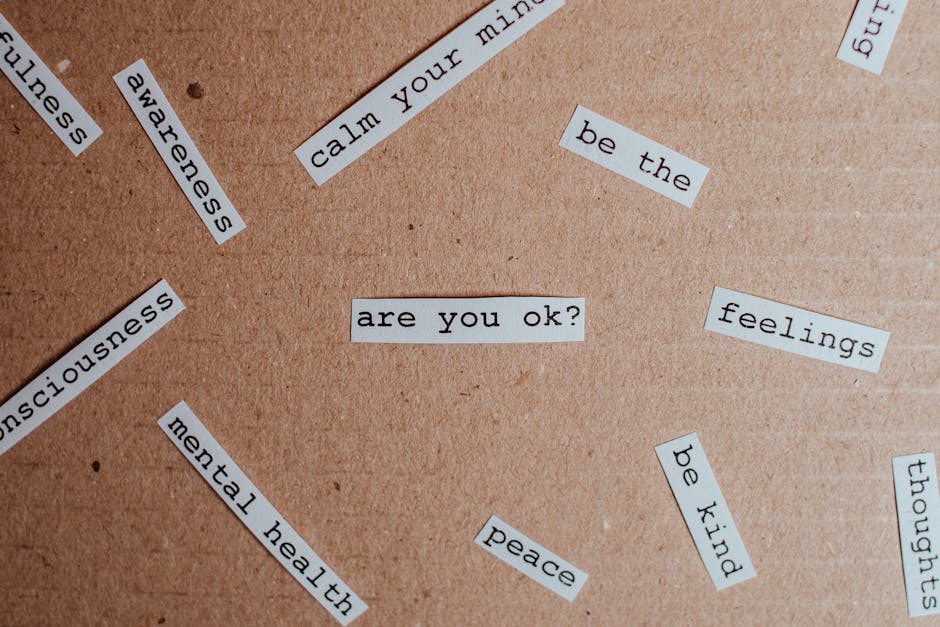
Final Thoughts: Tailoring Complementary Therapy to Your Unique Stress
There’s no magic wand to instantly “switch off” a racing brain, and any claim of a cure-all therapy should be met with caution. Instead, think of complementary therapies as tools in your wellness toolbox, each offering a different kind of relief for the complex experience of stress.
If you want deeper mental relaxation and to reshape your stress responses, hypnotherapy for stress is a strong candidate. If your stress shows up as physical tension and you respond well to touch, reflexology relaxation offers a grounded experience. For a gentle sensory boost that you can easily combine with other sessions, aromatherapy calming creates a soothing atmosphere.
Starting with one therapy, whether as an add-on or a standalone, and attending a first session where the process is clearly explained can help you feel confident in exploring the therapy that suits your mind and body best.
Remember: These therapies complement but do not replace conventional medical advice. If stress feels overwhelming or persistent, always consult a healthcare professional.
Have you tried any of these complementary therapies? Share your experience with us below or contact a local wellness business to schedule your first session today to start easing that busy brain.