I Can’t Sleep After Gaming: Is It the Screens or the Adrenaline?
After an intense gaming session, many players find themselves wide awake, staring at the ceiling, wondering why they can’t drift off. Is it the blue light from screens messing up your internal clock? Or is it the adrenaline and excitement pumping through your veins? This blog post dives deep into the science behind sleepless nights post-gaming, with a spotlight on sleep hygiene, the role of CBD versus THC, hemp legality, and how supplements like those from Joy Organics could fit into your wind down routine.
Why Sleep After Gaming Feels Different
Gaming taps into multiple biological systems. Screens emit blue light that disrupts your circadian rhythm by suppressing melatonin — the hormone that signals “time to sleep.” Meanwhile, the adrenaline spike you get after a close match or heated raid puts your nervous system in overdrive, making that cozy sleep state hard to reach.
The “Stop Screens Before Bed” Rule
The FDA doesn’t regulate light exposure per se, but mainstream sleep science strongly advises shutting off screens at least 30-60 minutes before bedtime. Blue-wavelength light has been shown to delay melatonin production, shifting your natural sleep cycle later. This effect is quantified in multiple peer-reviewed studies and is especially potent right before you want to fall asleep.
- Blue Light: Suppresses melatonin, delaying sleep onset
- Screen Use: Keeps your brain engaged and alert
- Adrenaline: Stimulates the sympathetic nervous system, heightening alertness
So when you combine bright screens and an adrenaline rush from an intense multiplayer battle, it’s a perfect recipe for tossing and turning.
CBD Basics vs THC: What’s the Difference for Sleep?
The natural question is how to wind down effectively after gaming. Many turn to supplements like CBD gummies marketed to ease anxiety and improve sleep quality. But it's important to understand the difference between CBD (cannabidiol) and THC (tetrahydrocannabinol):
Feature CBD THC Source Hemp or cannabis (low THC varieties) Cannabis plants (higher THC strains) Effects on Mind Non-psychoactive, may reduce anxiety and promote relaxation Psychotropic, causes “high” sensation Legality Legal federally if THC ≤ 0.3% (hemp-derived) Illegal federally, legal in some states Use for Sleep Some evidence suggests sleep support via anxiety reduction May induce drowsiness but with next-day impairment riskHemp Legality and the 0.3% THC Threshold
The 2018 Farm Bill legalized hemp-derived products with less than or equal to 0.3% THC on a dry weight basis. This threshold is critical because it separates “hemp” from “marijuana” in the eyes of the law and regulators. Companies like Joy Organics specialize in CBD products that adhere strictly to this standard, ensuring their gummies and oils are compliant and contain minimal THC, reducing any risk of psychotropic effects or failed drug tests.
Speaking of drug tests, it's worth noting that the World Anti-Doping Agency (WADA) also complies with this threshold but has a zero-tolerance policy for THC above 0%. CBD alone is not banned and is considered safe for athletes looking for recovery and sleep aids without risking performance violations.
What Does the Evidence Say About CBD for Sleep After Gaming?
Most of the research on CBD revolves around three related but distinct areas:
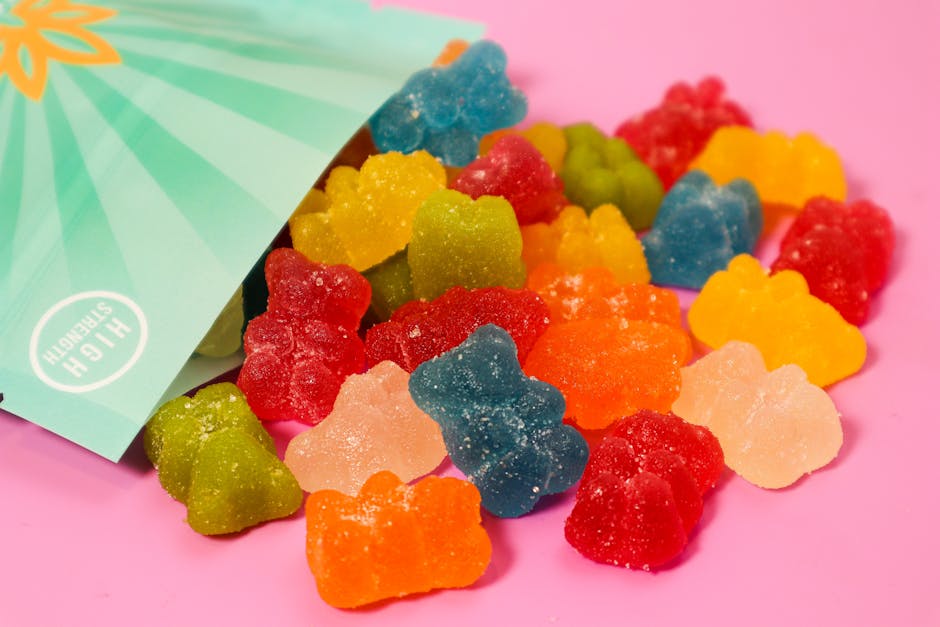
- Anxiety relief: Strongest evidence here. CBD can ease anxiety in some people, which may lower the hyperarousal that prevents sleep.
- Sleep quality: Moderate evidence—CBD may improve total sleep time and reduce REM sleep disturbances, but results vary significantly by dose and individual.
- Performance and recovery: Limited and mixed—while reducing anxiety and inflammation can indirectly help recovery, there’s no magic “energy reset” from CBD.
However, one key frustration I see regularly in the gaming community is the dosing mismatch. The amount of CBD used in clinical studies often ranges from 25 mg to over 100 mg per serving, yet popular CBD gummies on the market sometimes contain as little as 5-15 mg per serving.
This means that many users are trying to help their sleep or anxiety with doses below what science has tested—thus, the “does it work?” question is highly individual and not guaranteed.
Here’s a quick math perspective:
Product CBD mg per gummy Common Clinical Dose (mg) Servings to Match Clinical Dose Approximate Cost per Clinical Dose ($) Joy Organics Gummies 10 mg 50 mg 5 gummies $7–10 Other Brands (avg.) 15 mg 50 mg 3–4 gummies $5–8So if you want to replicate clinical doses, you often need multiple gummies—and that Learn more adds up fast. Always check the batch lab reports to confirm exact content; many "CBD gummies" aren’t precisely dosed.
Practical Tips: Combating Sleepless Nights After Gaming
So what should you do if you find yourself unable to sleep after gaming? Here’s a structured approach:
- Implement a Wind Down Routine: At least 30-60 minutes before bed, stop gaming and any screen time. Switch to relaxing, low-stimulus activities like reading, meditation, or listening to calm music.
- Control Light Exposure: Use blue-light blocking glasses if you must use screens later in the evening, but ideally avoid screens altogether before sleep.
- Consider Anxiety Management: If your mind races from adrenaline, try guided breathing exercises or low-dose CBD gummies from trusted brands like Joy Organics. Remember, dose matters; start low and adjust.
- Monitor Hemp Product Legality: Buy only from reputable sources with batch test results showing THC below 0.3% to avoid unwanted psychoactive effects or legal risks.
- Avoid High-THC Products Before Bed: THC can induce sleep but may impair next-day cognition and is banned by WADA for competitive gamers who might face drug tests.
- Track Your Sleep: Use a journal or sleep app to monitor changes as you tweak your routine and supplement use.
Summary: Is It the Screens or the Adrenaline?
In truth, it’s both. Blue light from screens delays your body's natural melatonin release, and the adrenaline spike from intense gaming sessions primes your nervous system for alertness. Both must be addressed to improve sleep quality.
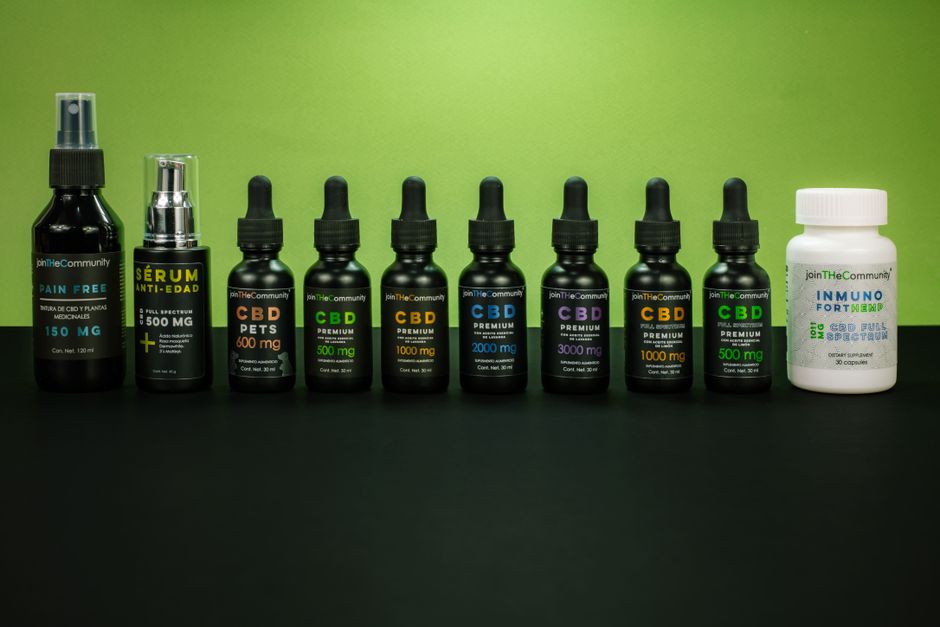
CBD supplements, especially those compliant with hemp legality standards (sub 0.3% THC), can assist by reducing anxiety and helping you relax. However, dosing is critical—many gummies on the market contain less CBD than clinical studies use, potentially limiting their effectiveness. Always verify lab reports and consult with a healthcare provider about drug interactions.
For the best chance at restful sleep after gaming:
- Stop screens before bed to protect your melatonin cycle.
- Adopt a calming wind down routine to help your body shift from “game mode” to “rest mode.”
- Consider CBD supplements from trustworthy brands like Joy Organics if you experience anxiety-driven sleep problems.
By understanding the interplay between light, adrenaline, and supplements, you can take actionable steps toward reclaiming your sleep—and your performance the next day.